
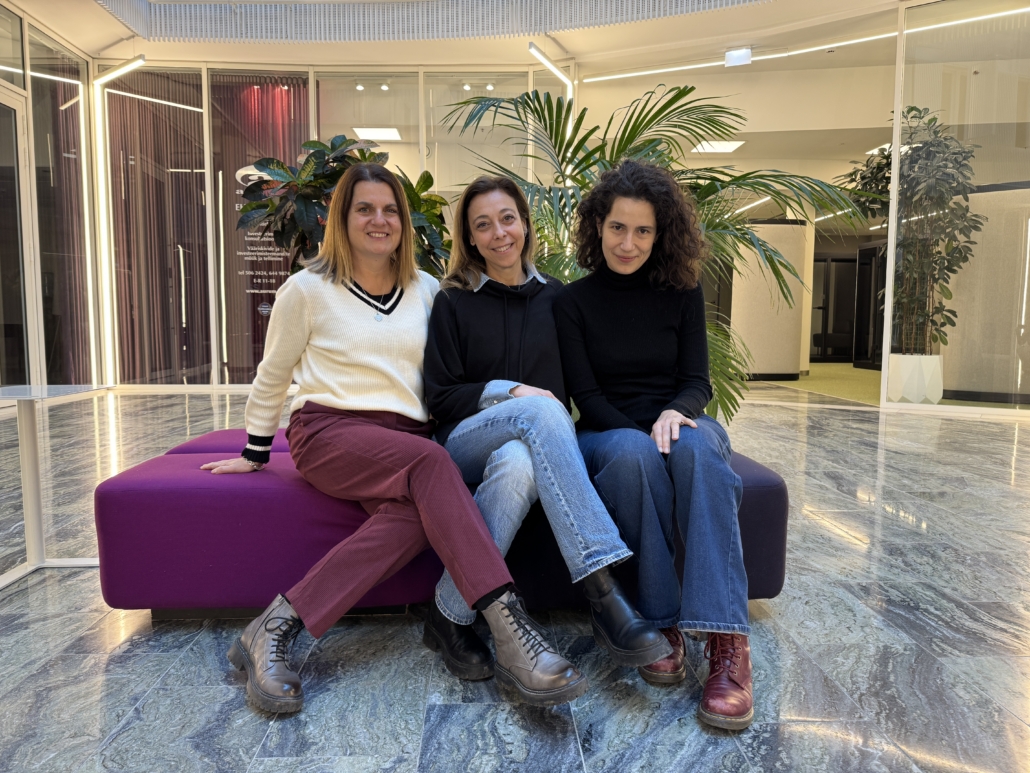
“It’s easier to speak English when you are abroad.”
A new destination, few expectations
When Ambra and Sabrina arrived in Tallinn from Turin, neither had strong expectations. Estonia was unfamiliar territory. Ambra, a philosophy graduate and support teacher in a high school, admits she was slightly concerned about the weather and unsure what kind of city awaited her. Sabrina, a Food Science teacher working with students aged 14 to 19, came mainly with curiosity.
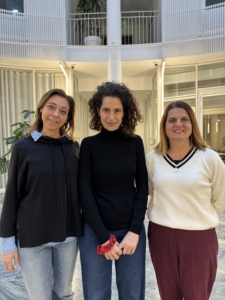
Italians Ambra, Sara and Sabrina in Multilingua
Both were quickly surprised. Ambra describes Tallinn as “a wonderful and truly international city.” Sabrina noticed the contrast between modernity and heritage: “It’s a very lively and technological city, but it still keeps its traditions.”
Their reasons for coming were practical and personal. Ambra explains, “It’s easier to speak in English all the time when you are abroad.” Sabrina applied through the Erasmus programme because she enjoys learning languages and discovering new cultures. Tallinn appealed precisely because she did not know the country at all.
Learning beyond the classroom
At Multilingua, the lessons focused on active use of English and discussion. Ambra appreciated that students spoke English throughout the day and exchanged views on teaching methods. “Our teachers have always been helpful and attentive to our needs,” she says.
Sabrina found the lessons engaging and useful. They helped her strengthen technical vocabulary, improve communication skills and learn more about how technology is used in Estonian education.
Photo: private souce
Using English in real life
English remained the common language outside the classroom as well — during city walks, excursions and everyday conversations. Ambra enjoyed speaking with locals and discovering Estonian Christmas traditions while exploring the city.
For Sabrina, a highlight was a visit to Keila Waterfall. A conversation with the guide developed into a discussion about the waterfall’s history, the surrounding nature park and Estonian folklore, turning the excursion into a meaningful language practice moment.
What surprised them about Estonia
Ambra was interested in how digital solutions are integrated into education and public services, alongside local traditions and customs.
Sabrina noticed the care for the environment, clean air and everyday independence. She was especially surprised to see how young children travel to and from school on their own, something she found striking from a teaching perspective.
Why language still matters
Ambra sees English as essential for following international developments in education and communicating across cultures. Sabrina aims to reach a C1 level and express herself more naturally and confidently.
Both describe the week as valuable for professional growth and perspective.
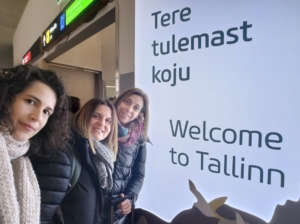
Photo: private source
Would they recommend it?
Both teachers would encourage others to consider a similar experience. They value the opportunity to exchange ideas, experience a new country and learn in an immersive environment.
Their week in Tallinn is best remembered through small moments — conversations, observations and discoveries — that shaped a focused and meaningful learning experience.
Wish to study English in Estonia? Contact us at

